Angelwine Font for Web Design
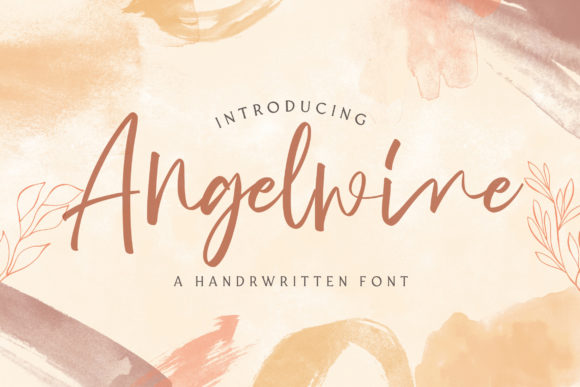
Testing Angelwine in a hero section of a boutique online store, I was immediately drawn to its handwritten script with an authentic feel. The font’s soft curves and organic flow added a personal touch that felt both modern and warm, making it ideal for a brand looking to stand out in a crowded digital space.
Angelwine for Wedding Invitations and Elegant Branding
Angelwine is a handwritten script that brings an elegant, personal vibe to any project. When used for wedding invitations, the font’s subtle variations and fluid lines evoke a sense of sophistication and intimacy. In a digital context, this same energy translates well to branding elements like logos, headers, and promotional banners. For a wedding-related website, Angelwine can be used as a display font to highlight key phrases or event details, adding visual interest without overwhelming the design.
When pairing Angelwine with other fonts, it's important to balance its decorative nature with simpler typefaces. A clean sans serif for body text or navigation menus can create contrast and improve readability, especially on mobile screens where legibility is crucial.
Angelwine for Fashion Branding and Online Store Headers
As a web designer working on a fashion brand’s landing page, I found that Angelwine worked exceptionally well as a header font. Its handwritten script gave the site a unique, artisanal feel that aligned with the brand’s identity. Whether used for product titles, taglines, or CTA buttons, the font’s personality shone through while maintaining a professional appearance.
For an online store, Angelwine can be used in banners, product headings, and promotional copy. However, it's best reserved for short phrases rather than long paragraphs. On smaller screens, the font’s detail can become hard to read if not properly sized or spaced. Ensuring adequate line height and letter spacing helps maintain clarity across different devices.
Angelwine for Business Cards and Logo Design
Angelwine’s authenticity makes it a strong choice for logo design, especially for brands that want to convey a personal, creative touch. When designing a business card layout, the font’s natural variation adds character without feeling too chaotic. It pairs well with minimalist designs, where the focus remains on the message rather than the typography itself.
For a logo, Angelwine can be used in combination with a bold sans serif or a classic serif to create a balanced, memorable identity. The font’s versatility allows it to work in both digital and print formats, making it a valuable addition to a brand’s design assets.
Angelwine for Signature and Personal Branding
When working on a portfolio website for a freelance designer, I used Angelwine for the signature section at the bottom of the homepage. The font’s organic feel made the signature feel more human and approachable, reinforcing the designer’s personal brand. This subtle use of Angelwine helped build trust and connection with visitors, which is essential for creative professionals.
On a coaching website, Angelwine can be used in testimonials or client quotes to add a personal touch. The font’s style works well when placed over image backgrounds or dark themes, as its contrast ensures visibility without needing additional styling.
Angelwine for Digital Ads and Social Media Graphics
Angelwine’s visual appeal makes it a great choice for digital ads and social media graphics. When creating a campaign for a lifestyle brand, I used the font in headlines and call-to-action buttons. Its handwritten look stood out against more rigid, corporate fonts, helping the ad feel more relatable and engaging.
For social media posts, Angelwine can be used in captions, overlays, or branded visuals. Its style works well with modern, clean layouts, and it adds a touch of personality that resonates with audiences looking for authenticity.
Angelwine for Course Sales Pages and Blog Headers
On a course sales page, Angelwine was effective for headlines and subheadings, drawing attention without being distracting. The font’s readability on screen made it suitable for short, impactful messages that guide users through the conversion funnel.
For blog headers, Angelwine added a creative flair that differentiated the content from standard website designs. It worked particularly well when paired with a neutral background or a subtle texture, allowing the font to take center stage without competing with other elements.
Angelwine for Responsive Layouts and Mobile Optimization
When testing Angelwine on mobile layouts, I noticed that its legibility depended heavily on font size and spacing. At smaller sizes, the font’s detail could become unclear, so I adjusted the line height and letter spacing to ensure it remained readable on all devices. This attention to detail helped maintain the font’s visual appeal while supporting a smooth user experience.
For dark mode interfaces, Angelwine performed well, as its contrast against light backgrounds provided good visibility. On light backgrounds, the font still held up, though it benefited from a slightly larger size to avoid appearing too thin or fragile.
Angelwine for Webfont Availability and Licensing
Before implementing Angelwine on a client’s website, I checked its webfont availability and licensing terms. The font was available in multiple formats, including WOFF and TTF, which are compatible with most modern browsers. The commercial license allowed for use on websites, online stores, and digital templates, making it a practical choice for designers and developers.
Additionally, I verified that the font included alternate characters and stylistic sets, which added flexibility for customizing the look and feel of the design. These features were especially useful when creating unique headers or decorative elements that required a tailored aesthetic.